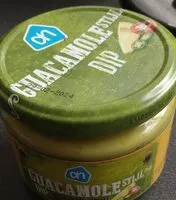
Vegetarian according to the ingredient list. Note: mono- and diglycerides (E471) can come from animal fat.
Ingredients 18
from most to leastWater. It comes first when the product holds a lot of it, as drinks, soups and sauces do.
Vegetable; which one often follows. Tomato: tomato. Red pepper: red bell pepper.
The fatty part of milk. Contains milk.
More about milk ›Vegetable oil from rapeseed, low in saturated fat.
Maize starch treated so it thickens better and stays stable. Not genetic modification.
Usually granulated sugar from sugar beet or cane. An added sugar: it sweetens and gives colour and structure in baking.
More about sugar ›- 7Green pepper Groene peper1,5%
Contains milk (protein): one of the 14 allergens.
Table salt (sodium chloride). Adds taste and helps against spoiling. Adults are advised to eat no more than 6 grams a day.
- 10Jalapeño1%
Makes it more acidic, for taste and keeping. Which acid follows. Lactic acid: an acid (E270) formed by fermentation. Despite the name usually not from milk and without milk protein. Citric acid: an acid found naturally in citrus fruit (E330). Gives a fresh taste and helps keep the product.
Slows fat or colour spoiling through oxygen. Which one follows (often ascorbic acid). Ascorbic acid: vitamin C (E300). Slows browning and works as an antioxidant.
Dried parts of plants for taste, such as pepper, nutmeg or cinnamon. Which ones need not be said. Garlic: garlic, fresh or dried. Onion: onion, fresh or dried.
Lemon juice with water evaporated from it.
Lets fat and water mix without separating, as in mayonnaise or chocolate. Which one follows (often lecithin). Mono- and diglycerides of fatty acids: emulsifiers (E471) made from fat, vegetable or animal; the label need not say which.
Keeps a product in shape, so it does not separate or settle. Which one follows. Guar gum: a thickener (E412) from the seeds of the guar bean. Xanthan gum: a thickener (E415), made by bacteria fermenting sugar.
Dried or fresh leaves of plants for taste, such as parsley or thyme. Which ones need not be said.
Adds colour. Which one follows, by name or E-number. Carotenes: orange colours (E160a), the same as in carrots.
More about colourings ›
water, groente (16% avocado, 5,7% groene paprika, 5,4% tomaat, 1,2% rode paprika), room, raapolie, gemodificeerd maïszetmeel, suiker, 1,5% groene peper, melk, zout, 1% jalapeño, voedingszuur (melkzuur [E270], citroenzuur [E330]), antioxidant (ascorbinezuur [E300]), specerijen (o.a. 0,05% cayenne, 0,02% knoflook, 0,02% ui), 0,3% citroensapconcentraat, emulgator (mono- en diglyceriden van vetzuren, veresterd met monoacetyl- en diacetylwijnsteenzuur [E472e]), stabilisator (guarpitmeel [E412], xanthaangom [E415]), kruiden (o.a. 0.1% korianderblad), kleurstof (carotenen [E160a], kopercomplexen van chlorofyl en chlorofyline [E141]). Waarvan toegevoegde suikers 1.9g per 100 gram en waarvan toegevoegd zout 1.07g per 100 gram
- Energy126kcal
- Fat10 gmedium
- Sugars3 glow
- Salt1.1 gmedium
Per 100 g.
Prices€ 1,39 at Albert Heijn
- Albert Heijn€ 1,39€ 4,63 / kg
Price history
The price history appears here.
The line is the regular shelf price, read every week, without temporary offers. Updated 2026-11-10.
Alternatives
On the same shelf ›More from AH
See all AH 100% Spaanse bloemenhoning350 g · € 3,99E1 shopAH 3-in-1 Antikalk powergel0,75 l · € 2,691 shop
 AH 4 kleuren ijsjes8 stuks · € 0,99C1 shopAH 50% Groentesap gele wortel mango ananas250 ml · € 1,99B1 shop
More choice on this shelf
Lists, in Dutch, with every product’s ingredients; the number is how many are on it.
Without what this contains
Something wrong? Report it
Label seen . The data is collected from supermarket websites and may differ from the pack.
Photos: Open Food Facts, CC BY-SA